



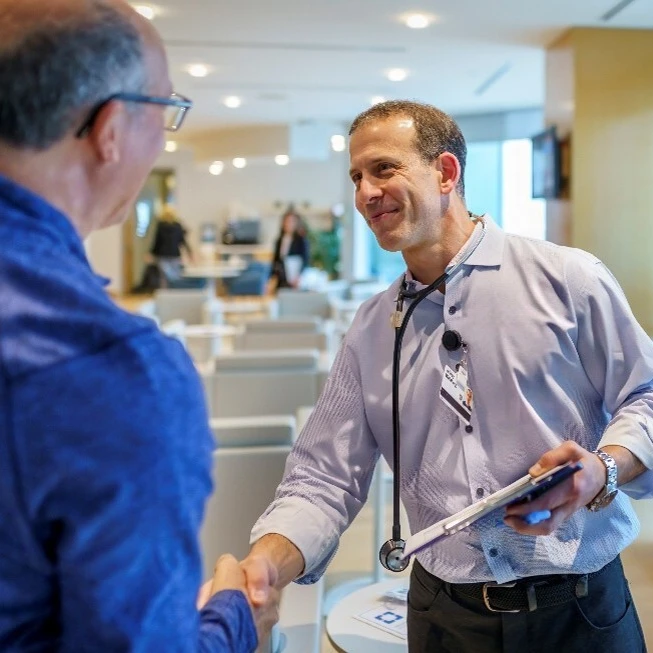
Executive Health physicians at Cleveland Clinic Canada, home to one of Toronto’s largest preventive health clinics, help individuals optimize their health span and lifespan through an annual comprehensive health assessment. Combining same-day testing with expert clinical consultations, the program identifies potential risks early and provides personalized strategies to support longevity, healthy aging, and lifelong wellness.
Dr. Khalil Sivjee, Medical Director at Cleveland Clinic Canada, explains that longevity is both how long we live (lifespan) and how well we live (health span). The goal is not only to add years to life, but to add life to years, remaining independent, active, and healthy as we age. Dr. Sivjee shares his perspective on the steps individuals can take today to support long-term health and well-being.
What are the leading risks to longevity and quality of life?
For adults aged 20–60, key health risks include both causes of premature death and conditions that can affect quality of life. Recent studies have shown that 20% of Canadian women and 44% of Canadian men die prematurely (defined as below the age of 75). Common causes of premature death include heart disease, stroke, cancer, lung disease, unintentional injuries related to inadequate safety practices, drug overdose, and suicide.
Conditions such as musculoskeletal disorders, diabetes, and mental health challenges can significantly impact overall well-being and daily functioning. Addressing these risks early is essential not only to extend lifespan but also to improve health span.
What lifestyle factors influence longevity?
There are several key lifestyle and behavioural factors that most strongly shape health span and lifespan:
- Maintain a healthy weight: Eat a nutrient-dense diet with whole grains, fruits and vegetables, low saturated/trans-fat foods, and minimize highly processed foods.
- Physical activity: Incorporate regular movement regularly and enjoy sports like tennis and golf that include aerobic exercise and strength training to improve long-term mobility.
- Avoid carcinogens: Avoid smoking/vaping, minimize alcohol, and stay up to date on cancer screenings.
- Stress management: Get seven to nine hours of restorative sleep per night to support recovery and stress management.
- Reduce risk: Monitor lifestyle changes and regularly assess health risks to keep cholesterol levels, blood sugar, and blood pressure in healthy ranges.
What are some key takeaways for longevity and well-being?
- Prioritize healthy habits. Exercise is especially powerful because it reduces cardiovascular risk, protects mental health, improves blood sugar, and slows the aging process at the cellular level.
- Stay proactive with routine health screenings. Early detection and management of cancers, heart disease, diabetes, and other conditions can substantially reduce their impact.
- Have a trusted health advisor. A family doctor or primary care provider who knows your medical history can help guide you through lifestyle choices, screening schedules, and emerging therapies.
Looking to take a more proactive approach to your health? A physician-led comprehensive assessment of your overall health and fitness can help you better understand your current health and identify opportunities to optimize your long-term well-being.
Watch this video to see how NBO Director Karl Hale gained valuable insights into his health through his recent assessment with Dr. Sivjee at Cleveland Clinic Canada.
Cleveland Clinic Canada is proud to be the Official Health Partner of Tennis Canada and the National Bank Open. Preventive health experts help athletes of all levels live well longer and enjoy what they love.
Feature Photo: Cleveland Clinic Canada